
Understanding the Allure and Risks of Gambling Strategies
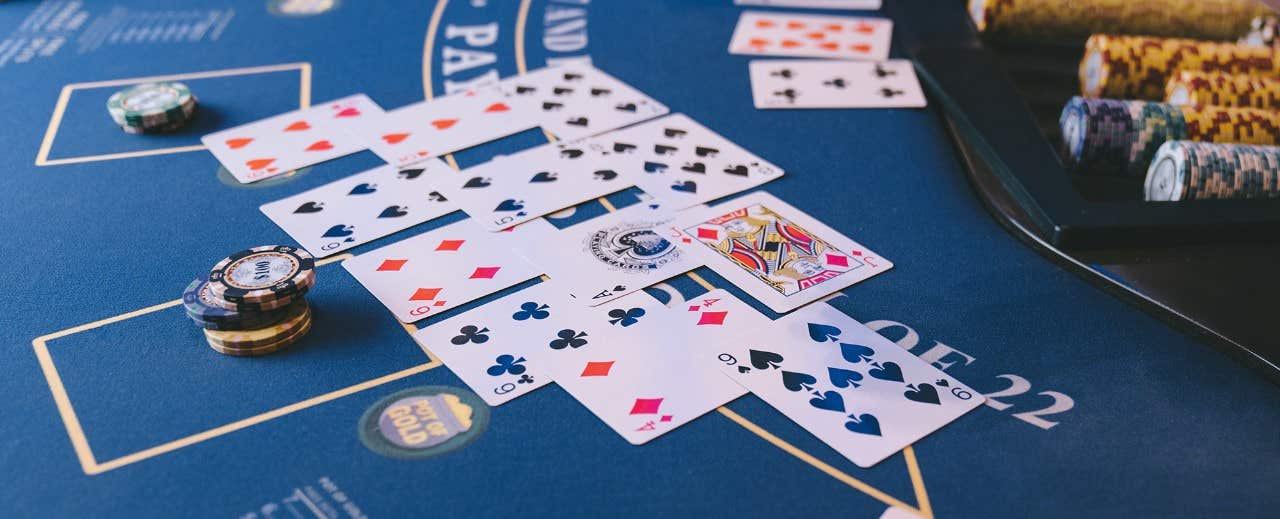
Gambling, in its various forms, has always held a certain fascination for many. The allure of a potential win, the thrill of the game, and the hope of outsmarting the odds are powerful motivators. This has led to the development and exploration of numerous gambling strategies, from simple betting systems to complex mathematical approaches, and it’s important to understand that these strategies often promise to increase a player’s chances of winning or to minimize their losses, appealing to those seeking a more controlled and potentially profitable gambling experience. However, it’s crucial to approach any such strategy with a clear understanding of the inherent risks involved.

The core principle behind most gambling strategies is to manage one’s betting patterns or to exploit perceived edges within a game. For instance, some systems focus on adjusting bet sizes based on previous outcomes, like the Martingale system, which suggests doubling your bet after each loss. Others might involve understanding probability and odds to make more informed decisions, particularly in games of skill like poker or blackjack. While these methods can offer a structured way to play, they rarely overcome the fundamental house edge that exists in most casino games, meaning that over the long run, the house is statistically favored to win. The temptation to believe a strategy can guarantee success often overshadows the reality of random chance and predetermined odds.
The Mathematical Realities Behind Gambling Systems
At its heart, gambling is governed by probability and statistics. Many “advanced” strategies are attempts to manipulate or work within these mathematical frameworks. For example, card counting in blackjack is a strategy that, when executed perfectly and under the right conditions, can shift the advantage slightly in favor of the player. This involves tracking the ratio of high-value cards to low-value cards remaining in the deck. However, casinos are well aware of such techniques and employ countermeasures, making successful implementation difficult and often leading to exclusion from the establishment.
Other strategies, such as progressive betting systems, are designed to manage bankroll and potentially recover losses. While they can provide a sense of control, they often carry substantial risks. The Martingale system, for instance, can lead to rapid and catastrophic losses if a losing streak occurs, quickly depleting a player’s entire bankroll as bet sizes escalate exponentially. Similarly, systems like the Fibonacci sequence or D’Alembert progression, while less aggressive than Martingale, still rely on the assumption that wins will eventually balance out losses, an assumption not guaranteed by the laws of probability in a game with a house edge.
Psychological Pitfalls and the Illusion of Control
Beyond the mathematical considerations, gambling strategies also interact with human psychology in complex ways. The desire for control is a powerful driver, and adopting a strategy can create an illusion of mastery over the unpredictable nature of chance. This sense of control can be comforting and may even enhance the enjoyment of gambling for some. However, it can also lead to overconfidence and a failure to recognize when a strategy is not working or when problem gambling behavior is emerging.
The “near miss” phenomenon, where a player comes very close to winning, can reinforce the belief that a strategy is effective, even if it ultimately led to a loss. This psychological trap can encourage players to continue betting, hoping that the next attempt will be the one that pays off. Furthermore, the emotional investment in a strategy can make it harder for individuals to stop playing, even when they are experiencing significant losses. This is where the importance of self-awareness and responsible gambling practices becomes paramount, regardless of any strategy employed.
Responsible Gambling as the Ultimate Strategy
Given the inherent risks and mathematical realities, the most effective and responsible “strategy” for engaging with gambling is to prioritize well-being. This involves setting strict limits on both time and money spent, and adhering to them without exception. It means approaching gambling as a form of entertainment rather than a way to make money. Understanding your personal triggers for gambling and recognizing the early signs of problem behavior are also crucial components of this strategy.
For those who find themselves struggling with the urge to gamble or who feel their behavior is becoming problematic, seeking support is a vital step. Resources are available that offer guidance, tools, and professional help to manage gambling habits and mitigate potential harm. Embracing these support systems is not a sign of weakness but rather a demonstration of strength and a commitment to maintaining a healthy life balance. The true “win” in gambling is knowing when to walk away and prioritizing mental and financial well-being above all else.
Spin-it.org.uk: A Resource for Mental Well-being and Support
Navigating the complexities of gambling, whether through understanding strategies or recognizing when it becomes a problem, is intrinsically linked to mental health. Platforms like spinit play a crucial role in offering accessible resources for individuals seeking to improve their mental well-being. Their mission likely revolves around providing a safe space for information, self-care techniques, and guidance on managing various life challenges, including those that might be exacerbated by or related to gambling.
Spin-it.org.uk aims to empower individuals by offering insights into mental health, coping mechanisms, and community support networks. For those who may be exploring gambling strategies or, more importantly, are concerned about their gambling habits, understanding the psychological impacts and seeking appropriate help is key. The site’s resources can provide valuable perspectives on managing stress, building resilience, and accessing professional assistance, thereby supporting a holistic approach to well-being that extends beyond the gaming table.