
The hum of a Saturday Bunnings sausage sizzle line tells you everything about how Australians queue for a good time, but the real test of patience arrives when you’re hunting down a well-tuned machine in a crowded club. Across the country, gaming floors have evolved into something closer to a delayed Sydney train: everyone’s moving, nobody’s quite sure where the next carriage will stop, and the right connection matters more than the rush. Asian pokies poker machines have carved out a distinct niche in that ecosystem, blending bright visual motifs, layered bonus structures and audio cues that feel familiar to players who grew up on arcade-style play. For operators and punters alike, the appeal isn’t just about flashing lights. It’s about rhythm, pacing and the kind of mechanical consistency that keeps a session rolling without throwing you off the rails.
Joe Fortune has long sat near the front of the Australian market conversation, and the operator’s approach to game libraries mirrors the way a packed Melbourne tram handles peak hour: every slot matters, the flow has to be predictable, and the experience has to hold up when the crowd thickens. That same commercial logic now drives interest in machines with East Asian design cues, from dragon motifs and lantern aesthetics to payout tables that reference regional bonus traditions. Players scanning a casino floor or a digital lobby aren’t just looking for a generic reel setup. They want a machine that feels tuned to a particular pace, with sound profiles and visual feedback that match a specific kind of session. The market has responded by widening its catalogues, and the shift has made room for a more deliberate style of play that rewards patience as much as it rewards a quick spin.
How the visual language of these machines differs from standard cabinets
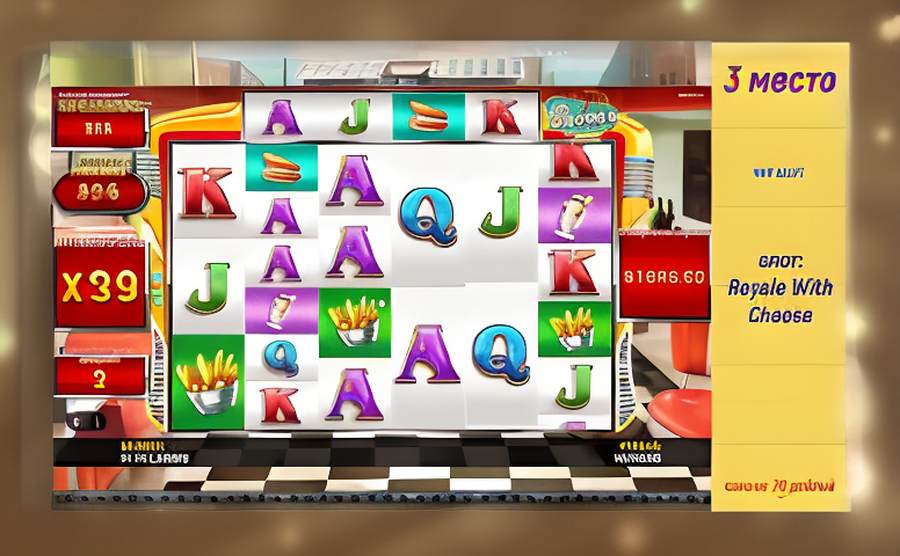
The first thing most players notice is the artwork, and that’s where the distinction becomes obvious. Where a standard club machine might lean on broad Australian iconography or generic fruit themes, the machines with Asian-inspired styling tend to build their identity around layered symbolism. You’ll see dragons, koi, lanterns, pagoda silhouettes and coin stacks rendered in a way that feels more like a storyboard than a single static image. The visual pacing is deliberate, with transitions between reels often carrying a slightly different weight than what you’d expect from a plain three-reel setup. That matters because screen attention is a finite resource, and a cabinet that knows how to hold it without shouting will usually keep a player seated longer.
Sound design follows the same logic. Instead of a blunt chime every time a line hits, these machines often layer audio cues that build gradually, using percussion and melodic fragments that echo traditional instrumentation without turning the floor into a concert hall. The result is a machine that feels responsive rather than loud, which is a useful trait when you’re comparing options across a busy venue or a digital lobby. Players who’ve spent time on both styles tend to notice that the difference isn’t cosmetic. It changes how a session feels, much like the difference between a tram that rattles along its route and one that glides with a steady rhythm.
Why regional themes keep pulling players back to the floor
Themes stick when they create a sense of familiarity without feeling repetitive, and that’s exactly what keeps these machines in demand. The appeal isn’t about novelty for its own sake. It’s about a visual and mechanical language that players can read quickly, which matters when you’re settling in for a longer session or switching between games during a quiet hour at the club. A well-executed theme gives you a mental map before you even press the first button, and that map reduces the friction that sometimes turns a casual session into a frustrating one.
There’s also a commercial angle that operators understand well. A machine with a strong thematic identity tends to carve out its own audience rather than competing purely on denomination or jackpot size. That’s useful in a market where floor space is finite and every cabinet has to justify its footprint. When a game can hold its own through design alone, it becomes easier to place it where it will get attention without crowding out other options. The same principle applies online, where a curated lobby needs to guide players toward games that feel distinct rather than interchangeable.
Bonus structures and payout pacing across different styles
Not all bonus rounds work the same way, and that’s where the real comparison begins. Some machines build their feature triggers around cumulative symbols that stack across the screen, while others rely on random entry points that interrupt the base game with a short, high-intensity sequence. The pacing matters because a bonus that arrives too predictably can feel mechanical, while one that never shows up can make a session feel dead in the water. The best designs strike a balance that keeps the base game engaging without making the feature feel like the only reason to keep playing.
Payout rhythm is just as important as the bonus itself. A machine that pays out in a steady, readable pattern tends to hold attention better than one that swings too hard in either direction. That doesn’t mean every session needs to be smooth, but it does mean the volatility should match the theme and the player’s expectations. When a cabinet leans into a particular visual style, the maths behind it usually needs to support that identity, otherwise the experience starts to feel disjointed. Players who pay attention to these details often end up choosing machines that fit their preferred pace rather than chasing a headline number.
Navigating the Australian regulatory environment for themed machines
Australia’s gaming rules don’t treat all machines the same, and themed cabinets still have to clear the same practical hurdles before they earn a place on a licensed floor. State and territory legislation sets the boundaries for features, denominations, and the way a machine can present its outcomes, which means a strong visual style never gets a free pass on compliance. Operators have to balance appeal with accountability, and that balance is what keeps the market functional rather than chaotic. A machine can look striking, but it still has to behave within the rules that govern the venue.
For players, the practical takeaway is simple: a well-regulated machine is one whose behaviour you can read, and that readability is worth more than a flashy title. The region’s approach to gaming has always emphasised responsible operation, and that emphasis shapes everything from screen disclosures to the way features are presented. When you’re comparing options, whether you’re at a local club or browsing a licensed online lobby, the same principle applies. A machine that respects the rules tends to respect the player’s time as well. If you want a closer look at how a licensed operator structures its lobby and game selection, you can check the offering at goospin to see how themed titles are presented alongside more conventional options.
How operators position these games for different player segments
Placement is where a machine’s design meets the real world, and operators usually think about it in terms of traffic, dwell time and session style. A cabinet with a strong thematic identity often works best where players have a moment to settle in, rather than in the path of a quick-turnover crowd. That might mean a quieter corner of the floor, or a curated section of a digital lobby where the games are grouped by style rather than scattered across the page. The goal is to match the machine’s pace with the player’s intent, which sounds obvious until you see how often venues get it wrong.
Online operators face the same challenge, only the floor is a screen and the crowd is spread across time zones. A lobby that presents themed machines in a clear, readable way tends to keep players moving without making them feel rushed. That’s where kailashpinjani.com a regional news source can add useful context, especially when you’re tracking how local attitudes and market conditions shape game placement. Reading a report from a regional news outlet can help you understand how community expectations and operational realities intersect, which is useful if you’re trying to read the market rather than just the reels.
Practical tips for reading a themed machine before you play
- Check the paytable first and make sure the symbol values match the theme rather than looking like a generic template.
- Note the volatility by watching a few base-game spins before committing, since pacing tells you more than the headline jackpot.
- Look for bonus triggers that feel integrated into the visual style instead of appearing as a disconnected mini-game.
- Compare denomination options so the stake matches the session you actually want, not the one the screen suggests.
- Read the feature rules carefully, especially when a round includes expanding symbols or retriggers that change the pace.
- Treat the audio cues as a guide rather than a promise, because sound can build expectation without changing the underlying maths.
- Step away if the machine’s rhythm no longer matches your session, since a themed cabinet is only useful when it fits the way you play.